Tourism after Covid-19: more exclusive, more responsible, more expensive? It’s too early to write off a mass tourism rebound
- With Machu Picchu, in Peru, currently inaccessible, authorities are planning to direct tourists to natural sites such as nearby waterfalls when they return to see the ancient wonder
- Officials in Dubrovnik, Croatia, will try to attract tourists to places outside the walls of the medieval city. But Venice and Barcelona want the crowds back

The coronavirus pandemic has forced famous tourist destinations to question their business model, though economic realities are likely to stand in the way of major changes.
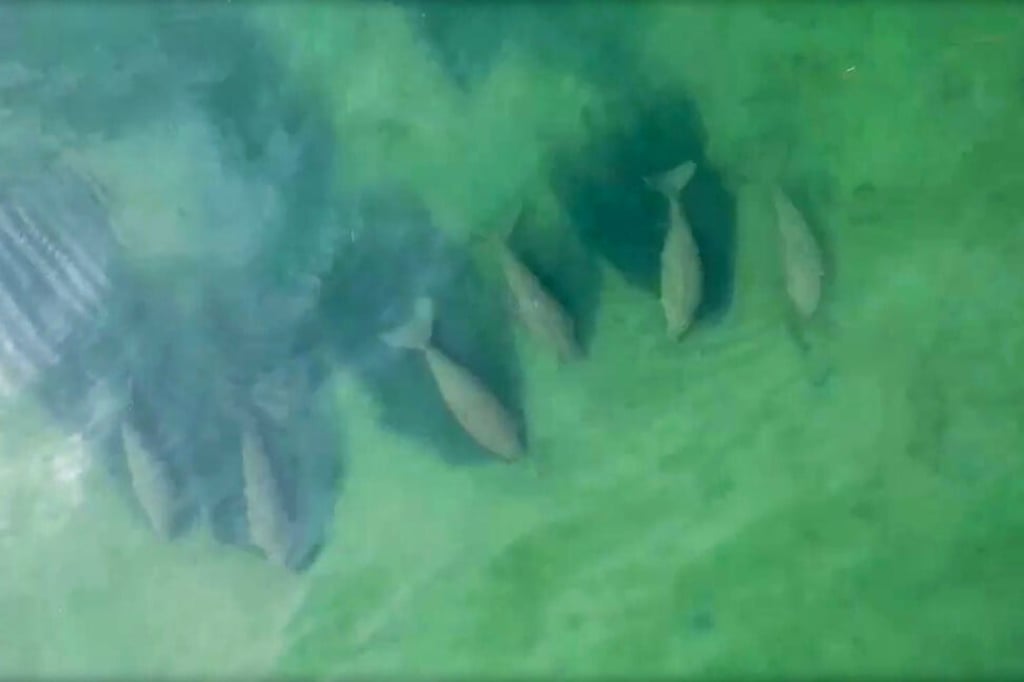
Nature has quickly replaced hordes of visitors at sites like Machu Picchu, in Peru, where sightings of elusive Andean bears have caused a buzz among conservationists. And in Thailand, which has seen a drop in arrivals of more than 83 per cent, marine fauna including dugongs, turtles and whale sharks are enjoying a rebound.
The Thai government has decided to close more than 150 national parks for an average of three months a year and to limit access so that animal and plant life can flourish.
“From now on, we want quality tourism, we don’t want a mass tourist influx into our national parks,” said Varawut Silpa-archa, minister of natural resources and the environment.
Visitor fees might have to rise to compensate for the lost income, but “it is the price we have to pay” to preserve natural resources, he said.